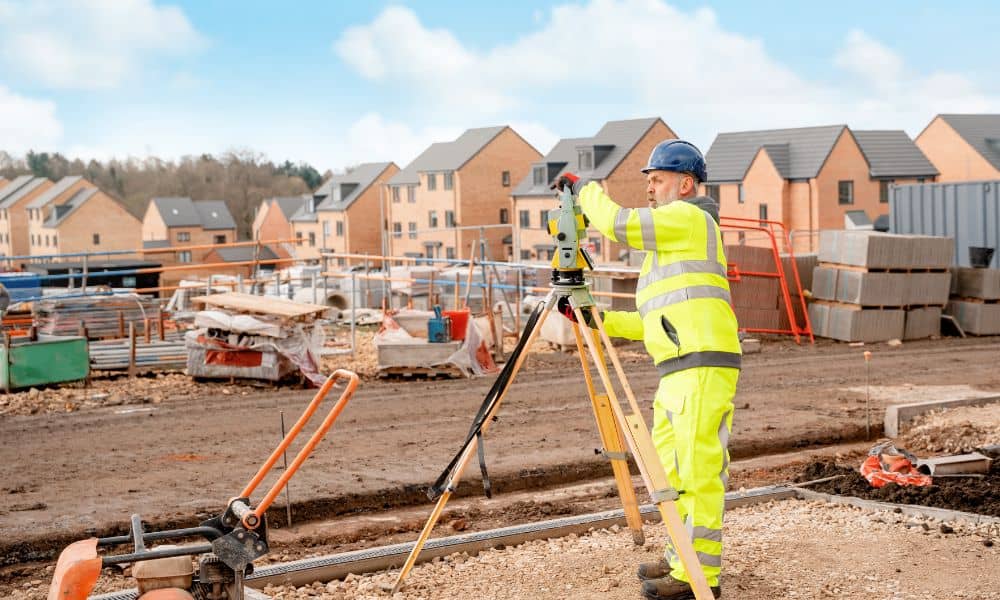
Sacramento continues to grow fast, and new communities keep appearing across the region. With projects like the Camellia Place development breaking ground, builders feel the pressure to move quickly and stay ahead of tight timelines. But when crews push forward at high speed, mistakes happen just as fast. That is why a construction staking survey often becomes the most important step before any excavator touches the soil. It keeps every part of a project lined up with the plans, so builders avoid delays, rework, and surprise costs.
As Sacramento’s housing market expands, developers race to meet demand. New streets, new homes, and new utilities must come together in perfect sequence. Even a small misalignment can create big problems, especially when multiple crews work on the same site. Because of this, builders need clear layout points they can trust. A construction staking survey turns engineering drawings into marks on the ground that everyone can follow. It sounds simple, but that accuracy supports the entire build from start to finish.
When projects move fast, small errors grow quickly. A foundation that sits a few feet off its intended spot can throw off driveway angles, utility lines, and even the street layout. Contractors lose time pulling out concrete or relocating trench work. These problems also affect the next crew in line, which frustrates everyone on site. With clear construction stakes, each team knows exactly where to work and at what elevation. The result is a smoother job that stays closer to the timeline.
Sacramento’s development style pushes crews to work back-to-back. Grading may wrap up one afternoon, and foundation forms may start the next morning. When time moves that fast, layout points must be ready before any crew arrives. Surveyors who set control points early and update them often help projects move without costly stops. This helps everyone stay coordinated, even when schedules overlap or change.
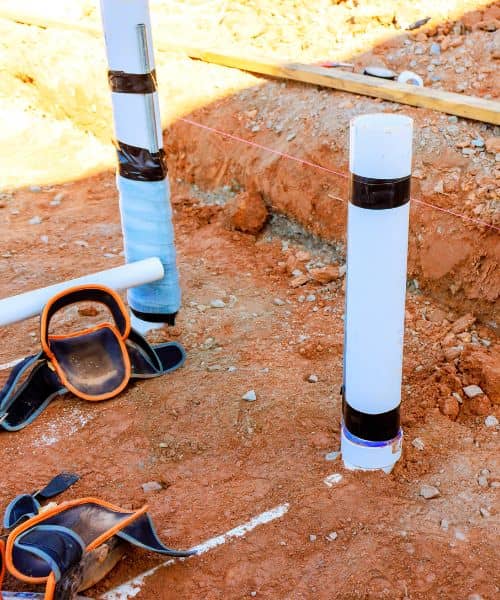
A construction staking survey shows more than a point on the ground. It marks where building pads sit, where utilities run, where roads curve, and where sidewalks connect. These stakes pull every part of the plan together so contractors know the exact location, elevation, and orientation of each feature.
Clear stakes guide concrete crews when they form pads. Utility crews rely on them before trenching. Road builders use them for curbs, gutters, and sidewalks. Even small shifts matter. A curb set at the wrong grade can cause water to pool, which leads to failed inspections. With accurate stakes, every trade works with confidence.
Stakes also help communication across teams. Developers often manage many subcontractors at once, and not everyone reads plans the same way. Layout stakes settle arguments before they start. They show exactly where crews dig, pour, or set forms. When everyone uses the same reference points, the job runs smoother and faster.
Without a good layout, projects slip off track. Foundations may sit too close to a setback. Utility lines may run in the wrong corridor. Roads may shift enough to affect drainage. These mistakes create expensive and time-consuming rework. They also disrupt the next crew in line, causing a ripple effect that delays the entire subdivision.
In large Sacramento developments, one small error can create a chain reaction. A misaligned pad forces edits to driveway placement. Utility crews must shift lines. Inspectors flag issues. Everything slows down. Because of this, staking becomes the first line of defense against costly layout problems.
Developers want control. Sacramento subdivisions grow more complex each year, and each lot must meet exact design rules. Staking ensures structures stay inside setbacks, utilities follow safe paths, and roads line up with approved plans. This protects budgets and schedules, which matter more when building many homes at once.
Staking also adapts to change. Plans shift often during construction. A house model may rotate. A driveway may need a better angle. A utility route may need a safer alignment. Surveyors return to update stakes, which keeps the project flexible without losing accuracy.
Working with surveyors who understand layout patterns gives builders an advantage. Local surveyors know how subdivisions flow, how pad elevations relate to each other, and what plan reviewers expect. They help developers avoid layout mistakes that slow approvals. This saves time and reduces stress during fast builds.
Good staking work even supports the environment. When crews follow correct layout points, grading flows the way engineers designed it. This reduces erosion, improves drainage, and helps sites perform better during storms.
Inspectors appreciate clean, accurate layout work. When stakes line up with approved plans, inspections move quickly. Builders avoid repeat visits, long pauses, and unclear corrections. That faster approval cycle helps developers meet closing dates and maintain strong relationships with buyers.
Most of all, a construction staking survey gives developers confidence. They know every step of the project follows the design. They know each crew works on the right spot. They know the site grows exactly as planned.
Sacramento continues to build at a rapid pace, and that speed brings both opportunity and risk. Developers who want smooth, predictable projects start with accurate staking. A construction staking survey guides every crew, protects the timeline, and removes guesswork from the job site.
Fast progress demands precision. With the right stakes in place, builders can move forward with confidence—and finish stronger than ever.