If you’ve been trying to get an elevation certificate lately, you might feel stuck. You call one surveyor, then another. Emails go unanswered. Deadlines creep closer. Meanwhile, your lender, insurer, or city office keeps asking for the same document.
You’re not alone. This frustration shows up constantly in online forums and local discussions. Homeowners ask the same question again and again: Why is this so hard right now?
The short answer is this: the process hasn’t broken, but the pressure around it has changed. Once you understand what’s happening behind the scenes, the situation starts to make more sense.
San Diego has always had a busy real estate and construction market. However, right now, demand is stacking up all at once. More people are refinancing, remodeling, selling, or dealing with insurance changes. Each of those situations can trigger the need for an elevation certificate.
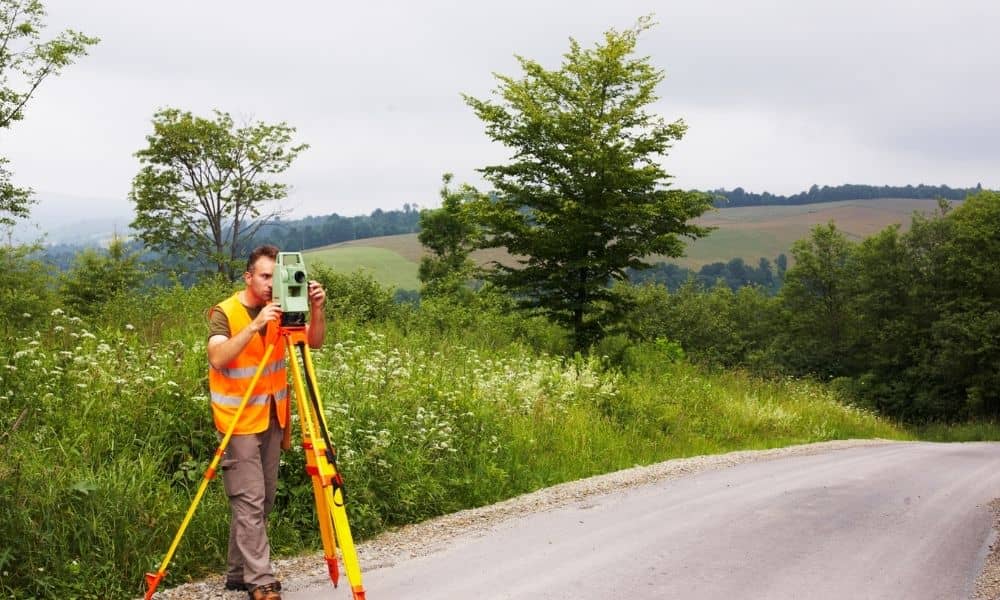
At the same time, licensed surveyors are juggling many types of work. Large construction projects often come with fixed schedules and legal penalties if they fall behind. Because of that, surveyors must prioritize jobs that affect multiple parties at once. As a result, smaller residential requests can feel like they disappear into a black hole.
That doesn’t mean your request isn’t important. Instead, it means timing and clarity matter more than ever.
One of the biggest reasons elevation certificate requests stall is surprisingly simple: many requests arrive with missing details.
From a homeowner’s view, asking for an elevation certificate feels straightforward. From a surveyor’s view, it isn’t. Before scheduling a site visit, they need context. They need to know why the document is required, how soon it’s needed, and whether the property can be accessed easily.
When those details are missing, the request can’t move forward. It doesn’t get rejected. It just sits there while clearer requests move ahead.
This silence feels personal, but in most cases, it’s a workflow issue, not a lack of interest.
Another common frustration starts with uncertainty. Many homeowners are told by a lender or insurer that they “need an elevation certificate,” but that message often comes with little explanation.
As a result, people reach out without being sure what triggered the requirement. Was it insurance? A refinance? A permit? Each reason can affect how the work is scheduled and reviewed.
When the request itself sounds unsure, the process slows down. Surveyors may need clarification before they can quote or book the job. That back-and-forth takes time, especially during busy periods.
Because of this, guessing what you need often leads to longer delays than asking questions upfront.
Many homeowners assume paperwork is the main obstacle. In reality, access is often the bigger issue.
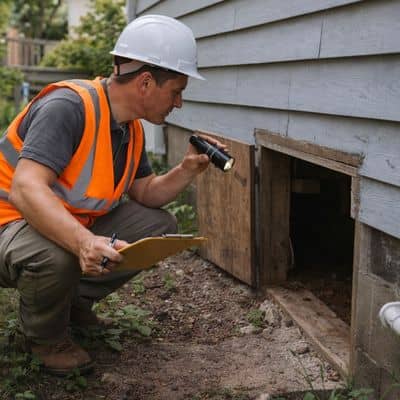
San Diego homes come with unique challenges. Some properties sit behind locked gates. Others have tenants, pets, or tight crawlspaces. Raised foundations and older construction styles can also make measurements harder to take.
If access details aren’t clear from the start, surveyors hesitate to schedule the visit. They need to know whether someone will be home, whether areas are reachable, and whether extra coordination is required.
When access is unclear, the job feels risky. That uncertainty can push it further down the schedule.
Most people don’t look for an elevation certificate until a deadline appears. A loan closing date. An insurance renewal. A permit review that suddenly stops.
At that point, stress takes over. Every unanswered email feels urgent. Every day feels like lost time.
Unfortunately, elevation work can’t be rushed safely. Measurements must be accurate. Conditions must be right. Surveyors can’t squeeze jobs into gaps the way other services sometimes can.
When urgency meets limited availability, frustration grows fast. That’s why the process feels impossible, even when it’s still working as designed.
While there’s no magic shortcut, clarity goes a long way. Requests that move faster usually share a few things in common.
They explain why the elevation certificate is needed. They mention when it’s needed. They describe how the property can be accessed. They also include the address and any helpful background documents.
This doesn’t guarantee immediate scheduling. However, it removes friction. It allows the surveyor to assess the request quickly and decide how to fit it into their workflow.
Clear requests feel safer and easier to commit to, especially during busy periods.
Silence is frustrating. Still, in most cases, it doesn’t mean your request was ignored on purpose.
Surveyors often triage requests based on urgency, clarity, and available information. Requests that require follow-up questions may sit until there’s time to address them properly.
Following up politely can help. Sending the same message repeatedly usually doesn’t. Adding missing details often works better than asking for a status update.
Understanding this dynamic can ease some of the stress and help you take the right next step.
If this process has left you confused or stressed, that reaction makes sense. The system isn’t very transparent, especially for first-time homeowners.
An elevation certificate sounds like a simple document. In reality, it sits at the intersection of insurance, lending, and local regulations. That complexity rarely gets explained upfront.
Once you know how the process works, it becomes easier to navigate. The key is starting with clarity instead of assumptions.
Getting an elevation certificate isn’t impossible. It just feels that way when pressure, timing, and uncertainty collide.
Clear communication, realistic expectations, and early outreach make a real difference. Instead of guessing what to ask for, focus on explaining your situation. That approach saves time, reduces stress, and leads to better outcomes.
When the process makes sense, the frustration fades. And suddenly, the task that felt impossible becomes manageable again.