
For years, two neighbors lived side by side without a single problem. They waved when they passed. Their kids played in the yard. Their fence sat quietly between the homes. Everything felt normal. Then one small disagreement changed everything. What started as a simple conversation about replacing a fence turned into a heated dispute. Both homeowners believed the same strip of land belonged to them. So, to settle it, they agreed to order a professional boundary survey.
The results shocked them both.
That narrow piece of land — the one both families had used for years — did not belong to who they thought. In fact, the legal boundary ran several feet away from the fence. One neighbor lost a chunk of yard they had landscaped, watered, and cared for. The other gained land they never realized they owned.
And just like that, years of quiet assumptions fell apart.
Most people trust fences, walls, landscaping, and driveways. After all, they look permanent. They feel official. Over time, they start to feel like facts.
That makes sense. When you move into a home, you expect the property lines to already be correct. You trust what the previous owner left behind. You trust the fence builder. You trust your neighbor.
However, comfort often creates false confidence.
People assume:
Yet property boundaries do not work that way. They follow legal records, not visible features. Unfortunately, many homeowners only learn this after a conflict begins.
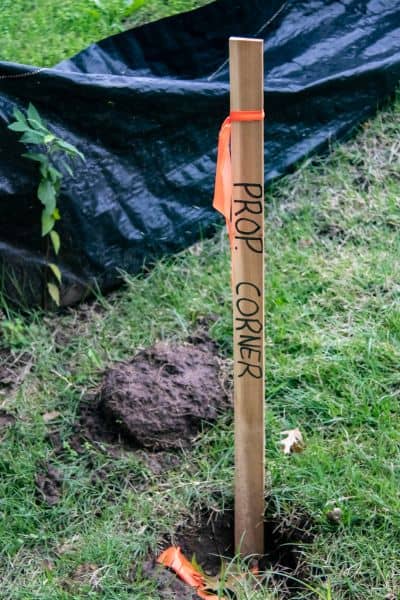
In this case, the survey revealed that the fence had shifted over time. Previous owners rebuilt sections without checking the legal line. Landscaping slowly crept across the boundary. Eventually, what looked like a natural yard became disputed land.
Once the boundary survey finished, the truth became clear.
One neighbor lost usable space. They had to remove plants, adjust irrigation, and rethink future plans. Meanwhile, the other neighbor gained ground but felt uncomfortable enforcing the new line. Awkward conversations followed. Tension replaced friendly chats.
Although the survey solved the legal question, it exposed emotional fallout that no one expected.
Property disputes do more than move fences. They strain relationships. They create stress. They turn neighbors into opponents.
After years of friendly interaction, these neighbors now avoided eye contact. Casual conversations disappeared. Simple activities like yard work became uncomfortable. Every movement felt watched. Trust faded.
Even worse, regret crept in.
One homeowner said, “I wish we had checked years ago.” That one sentence captures the heart of the issue. Most people never think about a boundary survey until something goes wrong. By then, the cost includes more than money.
It includes emotional strain, daily stress, and lasting discomfort.
Many common home improvements depend on property lines. Yet homeowners often start these projects based on guesswork.
For example:
Each project assumes one thing: you know exactly where your land ends.
However, when that assumption proves wrong, problems follow. Removing a finished patio or moving a fence after installation costs far more than checking boundaries first. Even worse, disputes can delay permits, stall projects, and create long-term tension.
Because of that, a boundary survey plays a much bigger role than most homeowners realize.
Time increases the cost of mistakes.
The longer someone uses land they do not legally own, the more attached they become. They invest time, money, and effort. They build memories. Then, when a survey corrects those assumptions, the emotional impact feels heavier.
Meanwhile, the financial impact grows as well.
Replacing landscaping, moving fences, redesigning patios, or adjusting driveways costs far more than a simple survey. In addition, legal fees and permit delays add even more pressure.
In contrast, early clarity avoids nearly all of these problems.
Most people think of a boundary survey as a technical service. In reality, it protects far more than property lines.
It protects:
When homeowners know exactly where their land begins and ends, they plan with confidence. They build without fear. They improve their property without risking conflict.
Even more important, they avoid emotional stress. Clear boundaries remove uncertainty. They create comfort, safety, and trust.
Many homeowners feel surprised when disputes arise. Yet boundary problems happen more often than people realize.
Several common factors cause confusion:
Each factor increases risk. Together, they create the perfect storm for disputes.
That explains why so many viral stories involve neighbors shocked by survey results. These situations happen quietly every day.
Instead of waiting for conflict, smart homeowners take proactive steps.
Before starting any major project, they confirm boundaries. Before building fences, patios, or additions, they seek clarity. Before disputes begin, they invest in certainty.
A boundary survey delivers that clarity.
It replaces assumptions with facts. It turns guesswork into confidence. Most importantly, it protects both financial investments and personal relationships.
Years of assumptions can collapse in a single afternoon.
That reality surprises many homeowners. Yet it also offers a valuable lesson: visual boundaries do not always reflect legal ones. What feels obvious may prove inaccurate.
A boundary survey does more than draw lines. It provides certainty, protection, and peace of mind.
If you plan to build, renovate, or simply want clarity, confirming your boundaries early saves time, money, and stress. In the long run, that small step prevents big problems.
Because when it comes to property lines, certainty always beats assumptions.