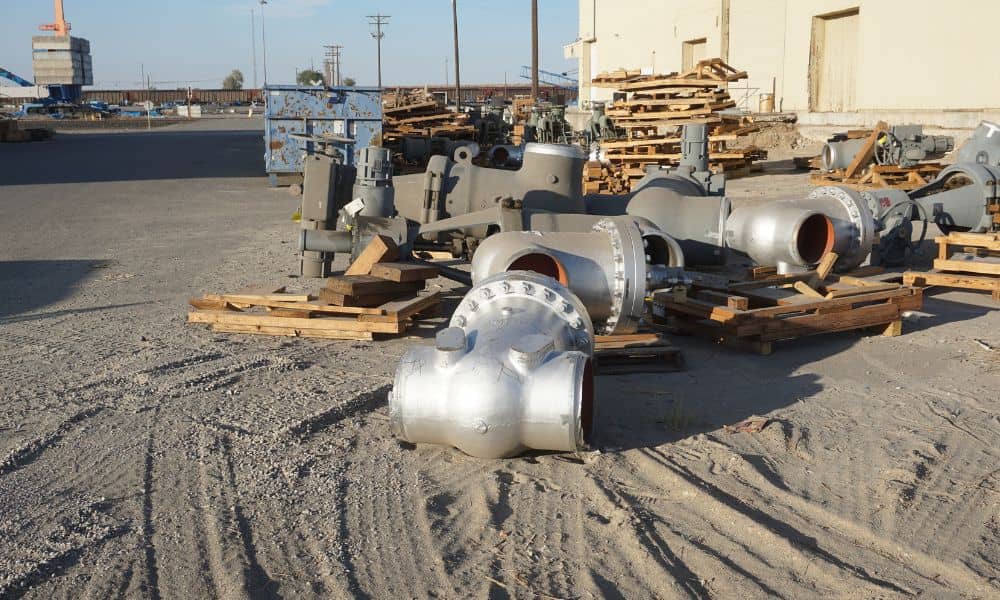
Port-adjacent properties look simple at first glance. You see open pavement, loading areas, fences, and clear access to the street or water. However, once a deal starts, many buyers learn that what works on the ground does not always match what exists on paper. That gap is where an ALTA land title survey becomes critical.
If you are buying, refinancing, or developing property near a port, this article explains what an ALTA land title survey really uncovers—beyond the basics—and why those details matter so much in these locations.
Properties near ports often evolved over decades. Rail lines moved, streets shifted, and industrial uses changed hands many times. As a result, daily operations often rely on habits instead of legal rights.
For example, trucks may cross a strip of land that feels like part of the site. Workers may stage materials in an area that has “always been used.” Meanwhile, none of that use may be legally granted. An ALTA land title survey brings those differences into focus early, before they derail a transaction.
One of the biggest surprises for buyers is how often use extends beyond ownership. On port-adjacent properties, this can include shared drive lanes, loading zones, or access paths that cross neighboring parcels.
Although these areas function as part of the site, they may sit outside the legal boundary. An ALTA land title survey documents where ownership actually ends and where informal use begins. As a result, buyers gain clarity before committing capital.
Ports rarely reset land rights when ownership changes. Instead, historic agreements often stay in place for decades. These can include rail easements, utility corridors, or access rights granted to port operators or public agencies.
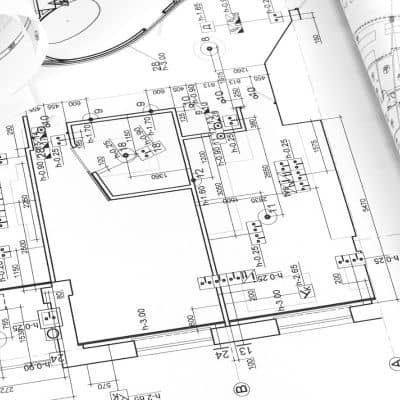
During an ALTA land title survey, surveyors review title records and map these agreements in relation to the property. Many buyers see these rights for the first time at this stage. Although the agreements may not block a deal, they often affect design, access, and long-term plans.
On port-adjacent land, fences and pavement edges rarely follow legal boundaries. In many cases, working edges drifted over time to match operational needs rather than recorded lines.
An ALTA land title survey shows where improvements sit in relation to the boundary. This matters because long-term use does not create ownership. Even when a condition has existed for years, it can still present a legal risk during a sale or refinance.
Another common issue involves access. A site may appear to have perfect entry from a public street or port road. However, that access may rely on informal arrangements or expired agreements.
An ALTA land title survey distinguishes physical access from legal access. Lenders and title companies pay close attention here. Without legal access, financing and insurance often stall until the issue is resolved or accepted as a known risk.
When people hear “encroachment,” they often think of fences or walls. On port-adjacent properties, encroachments can be subtle. Overhead structures, utility lines, rail clearances, and dock features can cross boundaries without clear visual cues.
An ALTA land title survey captures these conditions accurately. By doing so, it prevents surprises later when designers, insurers, or regulators review the site.
Many port-area deals move quickly. Buyers rely on site visits and operating history to judge risk. Unfortunately, informal use can hide legal limits until records are reviewed.
An ALTA land title survey pulls those records together and places them on one map. As a result, issues that existed for decades suddenly become visible. While that can feel disruptive, it actually protects everyone involved.
An ALTA land title survey does not fix access problems or remove easements. Instead, it documents conditions clearly and accurately. That clarity allows buyers, lenders, and title companies to make informed decisions.
In other words, the survey reveals risk rather than creating it. For port-adjacent properties, that distinction matters.
Buyers gain confidence before closing. Lenders reduce underwriting risk. Title companies define coverage clearly. Designers plan within real limits instead of assumptions. Because port-adjacent sites involve many moving parts, this clarity often saves time and money later.
Port-adjacent properties come with hidden layers. Although they may operate smoothly today, legal boundaries, access rights, and historic agreements still control what owners can do tomorrow.
An ALTA land title survey brings those realities into the open. By revealing how a site truly functions on paper, it helps transactions move forward with fewer surprises and stronger decisions.